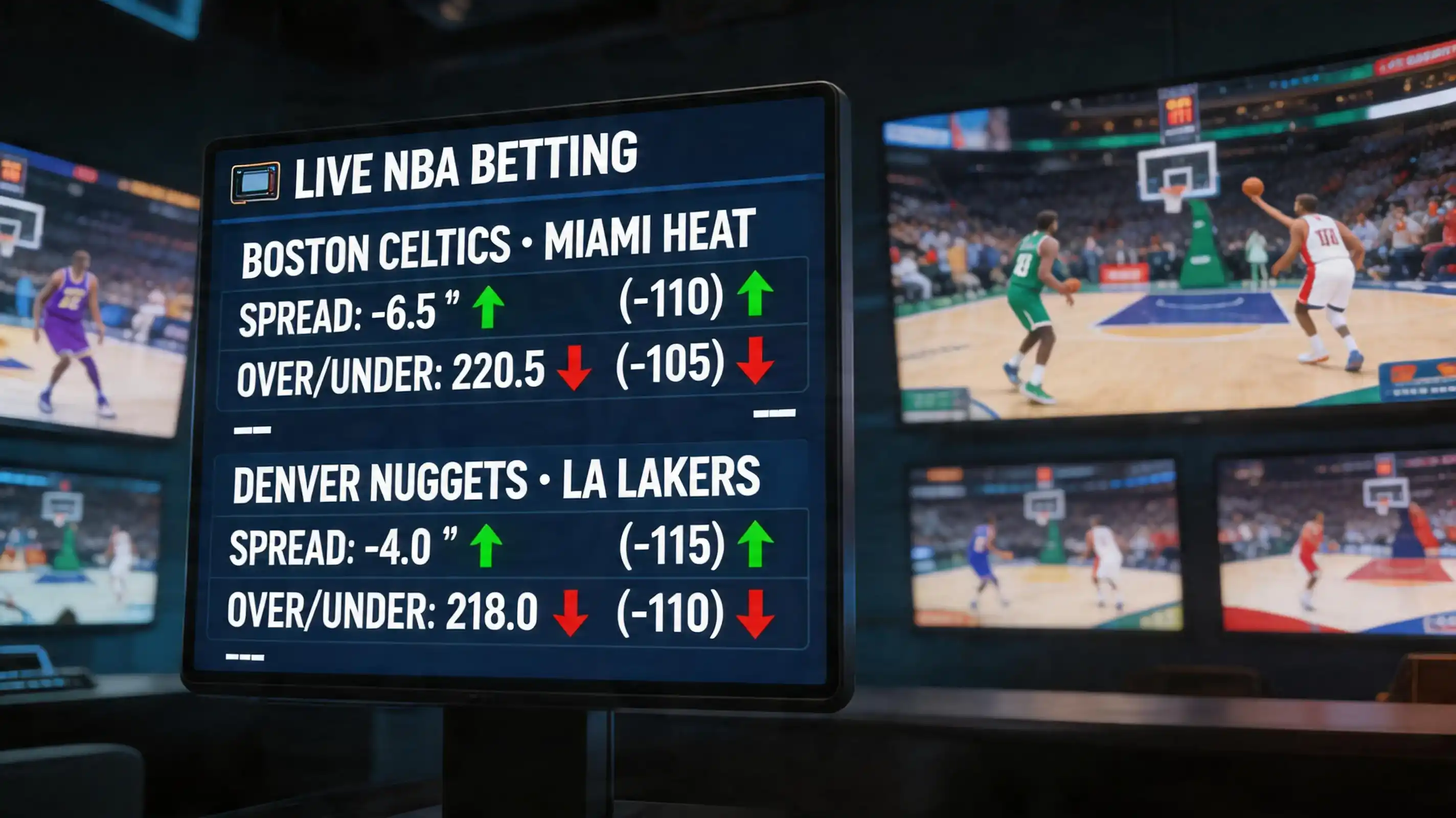
Responsible Gambling in Basketball Betting: Tools and Limits
 Available in US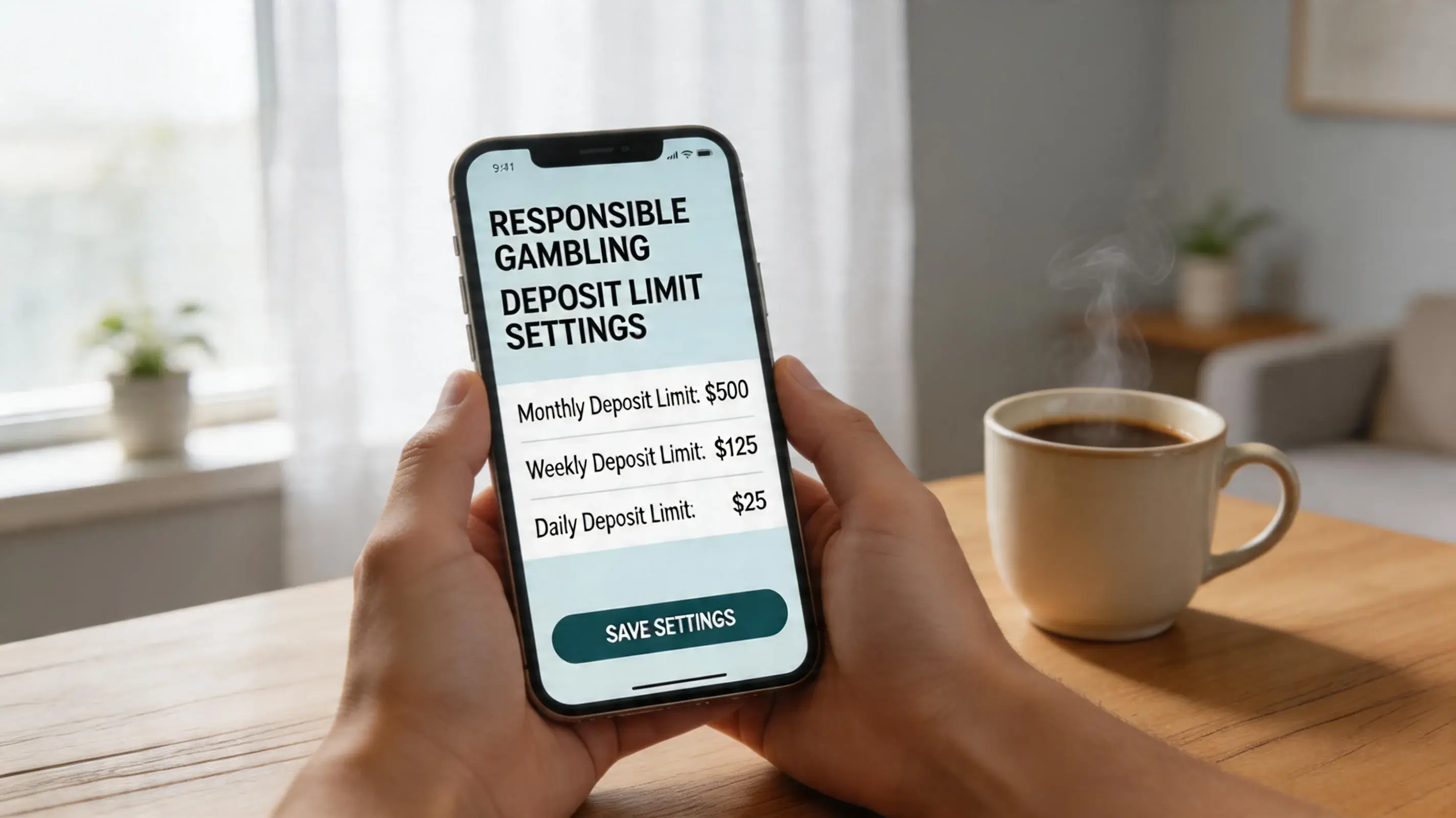
A mate of mine lost his flat betting on basketball. Not through bad strategy or unlucky breaks — through an inability to stop. He’d chase losses at 3am on Korean league games he knew nothing about, convinced the next bet would turn things around. Watching his spiral taught me that responsible gambling isn’t an afterthought or a legal requirement. It’s the foundation everything else rests on.
The numbers are stark. Roughly 2.7% of UK adults meet the clinical threshold for problem gambling — approximately 1.4 million people. Among sports bettors specifically, the rates climb higher: research indicates 16% of online sports gamblers meet clinical criteria for gambling disorder, with another 13% showing warning signs. Live betting’s rapid feedback loops intensify these risks. Recognising when entertainment becomes compulsion isn’t weakness; it’s essential self-awareness.
Table of Contents
Warning Signs
Problem gambling rarely announces itself. The slide from recreational betting to problematic behaviour happens gradually, masked by rationalisations that feel reasonable in the moment. Knowing the warning signs lets you catch concerning patterns before they escalate.
Chasing losses represents the most common red flag. Losing triggers the urge to bet more, immediately, to recover what’s gone. This impulse ignores probability and bankroll management — it’s pure emotion seeking relief. If you find yourself placing bets specifically because earlier bets lost, pause and examine what’s driving that behaviour.
Betting more than you can afford to lose indicates serious problems. When rent money, bill payments, or savings earmarked for other purposes migrate to betting accounts, the line has been crossed. Problem gamblers consistently spend more per session than recreational bettors — roughly twice as much according to UK research — creating financial pressure that compounds psychological distress.
Increasing bet sizes to achieve the same excitement mirrors tolerance patterns seen in other compulsive behaviours. What once thrilled at ten pounds now requires fifty; what once satisfied at fifty demands two hundred. This escalation often happens unconsciously until account statements reveal the trajectory.
Lying about betting to family or friends suggests shame that knows something is wrong. Recreational gamblers discuss their hobby openly; problem gamblers hide the extent of their activity. If you find yourself minimising or concealing betting behaviour, ask yourself why concealment feels necessary.
Neglecting responsibilities — work, relationships, health — for betting signals prioritisation gone wrong. Missing events, underperforming professionally, or withdrawing from non-gambling activities because you’d rather bet indicates the activity has grown disproportionate to healthy life balance.
Irritability or restlessness when not betting resembles withdrawal symptoms from other compulsive behaviours. If not-betting feels uncomfortable rather than simply neutral, the activity may have transitioned from recreation to dependency.
Operator Tools
Every UKGC-licensed operator must provide responsible gambling tools, though implementation quality varies. Learning what’s available — and actually using these features — creates structural barriers against problematic behaviour.
Deposit limits cap how much money can flow into your account daily, weekly, or monthly. Setting these limits during calm moments prevents emotional decisions during tilt or chase sequences. Once set, increases typically require cooling-off periods before taking effect.
Loss limits work similarly but track actual losses rather than deposits. When you’ve lost your predetermined limit for the period, the account restricts further betting. This feature directly addresses the chase dynamic that fuels problem gambling.
Session time limits alert or lock you out after specified periods of continuous activity. The 3am Korean league betting that destroyed my mate’s finances wouldn’t have been possible with enforced session limits. These tools interrupt the trance state that extended betting sessions can induce.
Reality checks deliver periodic reminders during betting sessions: how long you’ve been active, how much you’ve won or lost. These interruptions break the flow state that makes time and money invisible. Some bettors find them annoying; that annoyance might itself be a warning sign.
Cooling-off periods let you pause betting for set durations — 24 hours, a week, a month. Unlike full self-exclusion, these pauses allow return after the period expires. They’re useful for stepping back when you notice concerning patterns without committing to permanent changes.
UK Support Services
When self-management tools aren’t enough, professional support exists. The UK has developed comprehensive gambling support infrastructure that’s free, confidential, and genuinely helpful.
GamCare operates the National Gambling Helpline, available 24/7 by phone, chat, or forum. They provide counselling, support, and practical advice for problem gamblers and affected family members. NHS gambling clinics now exist in multiple UK regions, offering treatment that addresses both gambling behaviour and underlying psychological factors. Referrals have doubled recently — 1,914 in a recent six-month period versus 836 for the same period the year prior — reflecting both increased need and increased willingness to seek help.
GAMSTOP provides free self-exclusion from all UKGC-licensed gambling websites. Registration blocks access for minimum six months, with options for one or five years. This nuclear option removes the possibility of “just one more bet” by making betting technically impossible across licensed platforms.
The tragic reality: Public Health England estimates 400 gambling-related suicides occur annually in England alone. These aren’t statistics — they’re people whose problems escalated beyond any intervention’s reach. Professional help exists to prevent reaching that point. Using it isn’t failure; it’s the opposite.
Self-Assessment
Honest self-evaluation requires asking uncomfortable questions. These aren’t pass/fail tests; they’re prompts for reflection about your relationship with betting.
Consider whether you bet more than you intended to in the past month. Not occasionally exceeding plans, but consistently finding yourself staking beyond your predetermined limits. The gap between intention and action reveals how much control you’re actually exercising.
Think about whether betting has affected your mood when not betting. Anxiety about pending bets, irritability during losing streaks, preoccupation with upcoming games — these spillovers suggest betting has grown beyond its appropriate role.
Ask whether you’ve borrowed money or sold possessions to fund betting. Any instance of external financing represents a meaningful boundary violation. Money flowing into betting should come exclusively from disposable income you’d otherwise spend on entertainment.
Reflect on whether gambling has caused conflict with people you care about. Partners, family members, and friends often notice problematic patterns before gamblers themselves recognise them. If others express concern, take that concern seriously.
Consider whether you’d feel comfortable showing your betting history to someone whose opinion you respect. The discomfort provoked by that thought experiment often reveals more than any questionnaire.
For those maintaining healthy gambling relationships, responsible live basketball betting explores how to engage with in-play markets while respecting personal boundaries.
What are the signs of problem gambling in sports betting?
Key warning signs include chasing losses, betting more than you can afford, lying about gambling to others, neglecting responsibilities for betting, and feeling irritable when not gambling. Problem gamblers typically bet four times more frequently and spend twice as much per session as recreational bettors.
How do I self-exclude from UK basketball betting sites?
GAMSTOP provides free self-exclusion from all UKGC-licensed gambling websites. Registration blocks access for a minimum of six months, with options extending to one or five years. This covers all licensed UK operators through a single registration. Individual operators also offer site-specific exclusion options.
Created by the ”Live Basketball Betting” editorial team.