NBA Overtime Betting Rules: Extra Period Settlement Impacts
 Available in US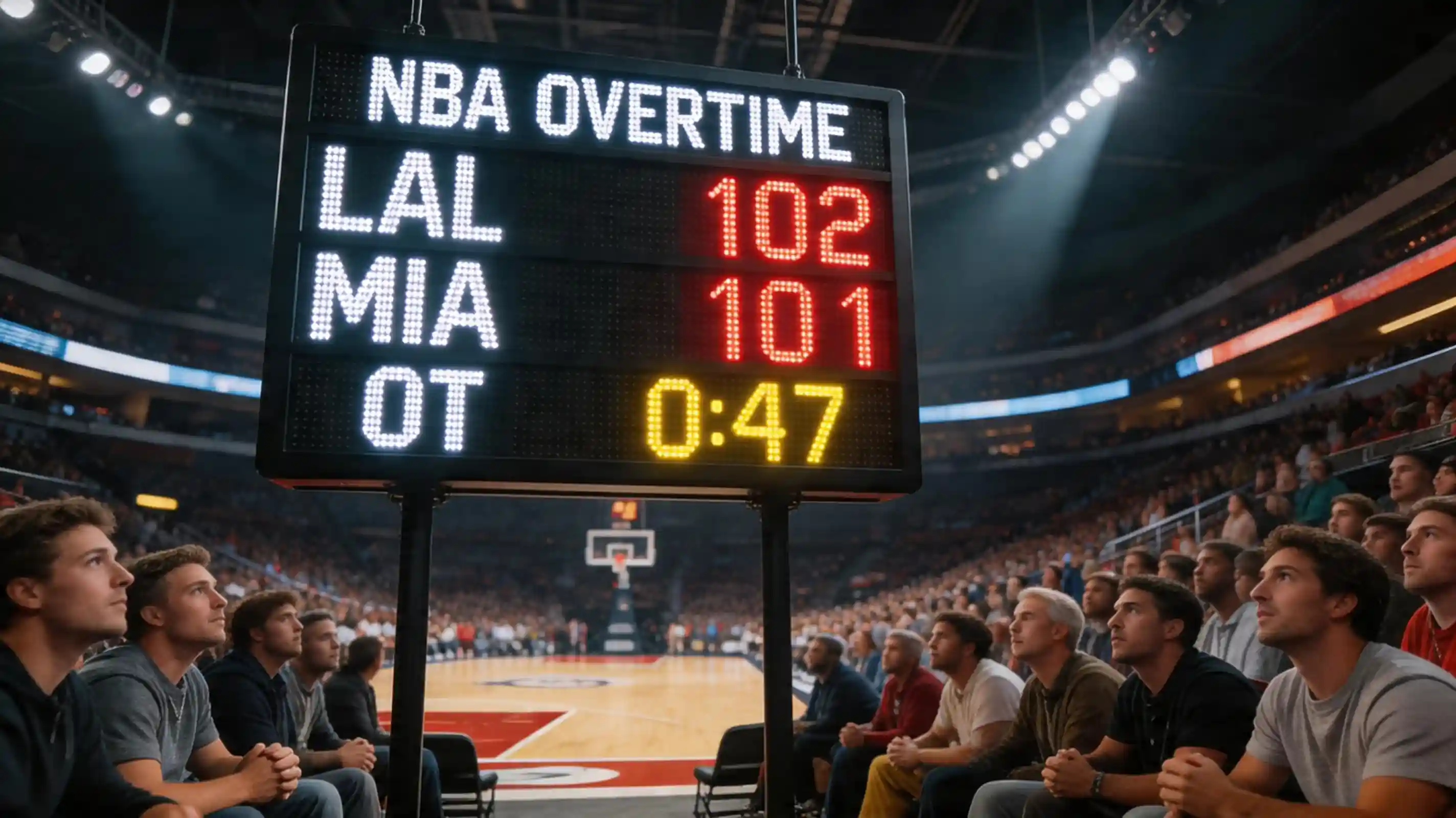
I still remember the sinking feeling when a 2019 Lakers-Spurs game went to overtime and my “under 224.5” bet evaporated. The game had sat at 218 through regulation — a comfortable winner — before five extra minutes pushed it to 234. Learning that overtime counts toward totals but not quarter bets would have saved me that loss. Overtime rules vary by market, and ignorance is expensive.
Basketball overtime creates unique settlement complexities because the extra period wasn’t contemplated when original lines were set. Unlike football’s sudden death or tennis’s tiebreakers, basketball overtime is simply additional playing time — five more minutes under normal rules. How bookmakers handle this extension varies by bet type, platform, and sometimes even specific market phrasing.
Bookmaker Policies on Overtime Payouts
The fundamental principle: full-game markets include overtime, while period-specific markets exclude it. This distinction seems simple but creates meaningful strategic implications depending on how games unfold.
Moneyline bets include overtime by default. If you back the favourite to win and they lose in regulation but prevail in OT, you collect. This mirrors how basketball determines winners — overtime is simply additional time to break ties, not a separate contest. No controversy here; every major bookmaker handles moneylines identically.
Point spreads include overtime as well. A team favoured by 5.5 must win by six or more including any overtime scoring. This creates scenarios where a team covers the spread only because overtime produced additional margin. Conversely, a team might fail to cover despite controlling regulation because OT added points for the opponent.
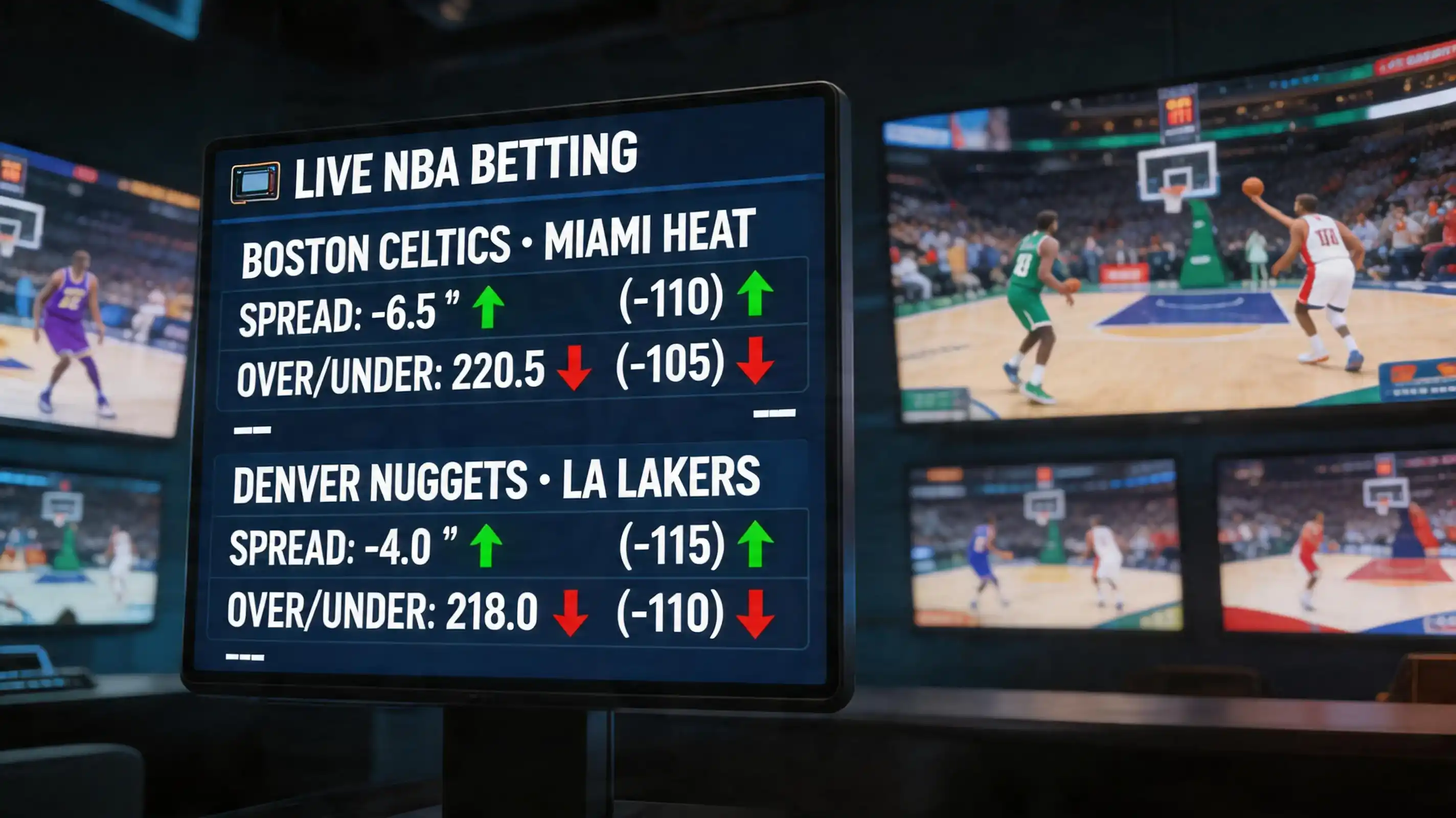
Totals include overtime, which significantly affects strategic calculations. Games heading to overtime are tied, meaning they’ve already accumulated roughly equal scoring from both sides. Overtime adds points to both team totals, pushing games that seemed headed under into over territory. Late overs become more valuable when overtime probability rises.
Multiple overtime periods compound these effects. Double and triple OT games produce extreme scoring totals that demolish even cautious under bettors. A game that seemed safely under at 210 through regulation might finish at 250 after three overtime periods. These scenarios are rare but devastating when they occur.
This OT inclusion explains why savvy totals bettors pay attention to close game dynamics. A game tied with two minutes remaining has meaningful overtime probability. If you’re sitting on an under that looks safe through regulation, overtime risk might suggest cashing out or hedging. The reverse applies to overs needing a few more points.
Market-Specific Rules
Quarter bets exclude overtime entirely. First quarter, second quarter, third quarter, fourth quarter — all settle based on their twelve-minute periods only. Overtime scoring doesn’t affect these markets. This creates interesting hedging opportunities when games head toward overtime.
Half bets follow the same logic. First half bets settle at halftime; second half bets cover quarters three and four only. A total set for “second half over 108.5” doesn’t care whether the game eventually goes to overtime — only third and fourth quarter points count.
Alternative lines and exotic markets vary by operator. Some platforms offer “regulation only” versions of full-game markets — spreads and totals that exclude overtime explicitly. These markets carry slightly different odds reflecting their narrower scope. Checking terms before betting prevents confusion during settlement.
Live betting during overtime operates differently than regulation live betting. Markets often have reduced limits, fewer options, and wider spreads. Operators face increased risk because overtime games are inherently close — outcomes remain uncertain until the final seconds. This uncertainty makes them cautious about accepting large positions.
Prop Overtime Inclusion
Player props generate the most confusion around overtime rules. Whether overtime counts depends on the specific prop structure and sometimes the specific bookmaker offering it.
Points, rebounds, and assists props typically include overtime. If LeBron needs 28 points and has 26 entering OT, those extra minutes offer additional opportunity. This matters strategically — player props on stars become more likely to hit as overtime probability increases, since they’ll play nearly the entire extra period.
Minutes props obviously include overtime. A player averaging 34 minutes per game will exceed that threshold if the game adds five extra minutes and he remains on court. This can create value on minutes overs when games trend toward overtime.
Three-point made and attempted props include OT as well. Stars often take clutch threes in overtime, creating additional counting opportunities. If a player has 4 made threes and needs 5 for an over to cash, overtime provides meaningful additional runway.
Some exotic props exclude overtime or specify “regulation only” in their terms. Double-double or triple-double props might settle based on regulation statistics only. Checking specific market rules before betting prevents disputes and surprises.
First basket scorer, last basket scorer, and similar timing-based props require careful reading. “First basket” clearly can’t include overtime. But “last basket” might mean last basket of regulation or last basket of the game including OT, depending on how the market is constructed.
Live Overtime Strategy
Games approaching overtime offer specific betting opportunities for prepared bettors. Recognising when overtime probability spikes — close games in the final two minutes — allows pre-positioning before markets fully adjust.
Totals become systematically mispriced as games near overtime. A game tied at 106-106 with 90 seconds remaining has meaningful probability of both regulation and overtime outcomes. The total, currently sitting at 212 or so, hasn’t fully priced in the scoring boost overtime would provide. Overs gain value in these situations.
Spread bets become essentially coinflips in overtime — both teams are demonstrably evenly matched, having just played 48 minutes to a tie. If you have strong views on one team’s overtime execution — clutch performers, bench depth, timeout management — these might translate to edge. But the market generally prices overtime spreads efficiently given the available information.
Player props during overtime offer value when market pricing lags. A star with 24 points entering OT might see his points line adjusted, but perhaps insufficiently. If he’s averaging 30 and will play the full overtime period, the live line might offer overlay. Speed matters — these windows close quickly as algorithms recalculate.
Cash-out decisions become critical as overtime approaches. That comfortable under that’s suddenly at risk? Cash-out value reflects overtime probability. Deciding whether the offered cash-out fairly prices your position requires understanding both overtime likelihood and expected scoring if it occurs.
For broader context on how these extra periods interact with strategic betting approaches, comprehensive live basketball betting coverage addresses overtime within overall in-play frameworks.
Do overtime points count for basketball spread bets?
Yes, point spread bets include overtime scoring. A team favoured by 5.5 must win by six or more including any overtime. This means spreads can flip based on overtime performance — a team controlling regulation might fail to cover because OT added points for opponents.
How are player props settled if a game goes to overtime?
Most player props — points, rebounds, assists, minutes — include overtime by default. Stars play nearly the entire extra period, creating additional opportunity to hit counting stat thresholds. Some exotic props specify regulation only — always check specific market terms before betting.
Created by the ”Live Basketball Betting” editorial team.