Basketball Injury Impact on Betting: Line Movement and Rosters
 Available in US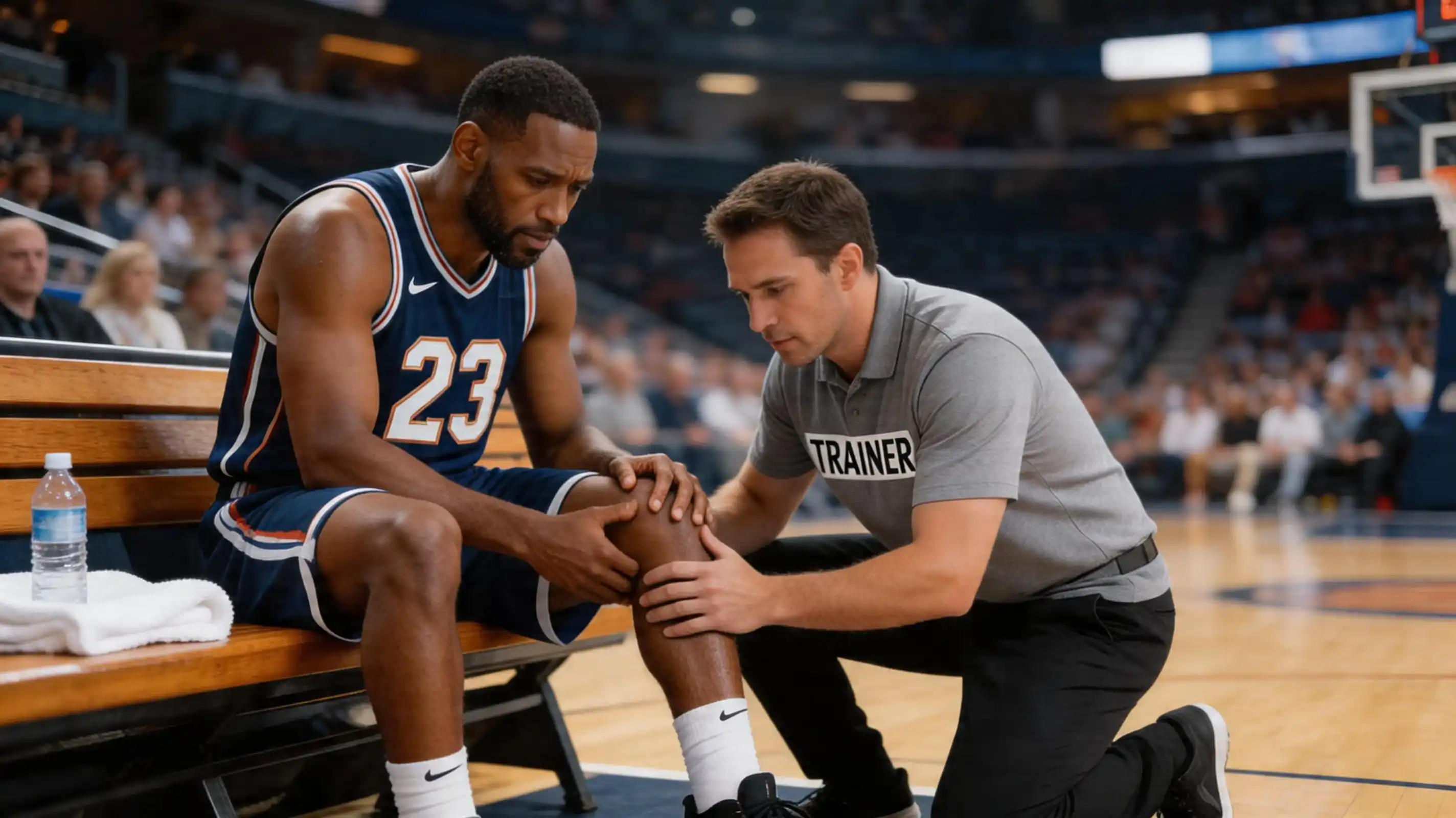
The Kawhi Leonard injury report last playoffs cost me a significant bet. I’d backed the Clippers at halftime, confident they’d close out a tight game. Then Leonard didn’t return for the second half — knee tightness, the broadcast eventually mentioned. By then, the line had moved five points and my position was underwater. That loss taught me to treat injury monitoring as equal in importance to game analysis itself.
Basketball’s physicality produces a constant stream of injury news that affects betting markets in real time. Star absences can swing spreads by double digits; role player injuries create subtler value opportunities. Developing systems for monitoring, interpreting, and acting on injury information separates informed bettors from those repeatedly surprised by line movements they don’t understand.
Tracking NBA Roster Changes and Line Adjustments
NBA teams release official injury reports following league-mandated schedules. These reports list player status — out, doubtful, questionable, probable — for upcoming games. But the timing of these releases creates information gaps that sharper observers exploit.
Social media has compressed the injury news cycle. Beat reporters break news before official team releases. Player social media activity sometimes hints at status before any formal communication. Following team-specific journalists creates information advantages measured in minutes — which matters when lines move within seconds of news.
Practice reports reveal status indicators that official injury designations don’t capture. A player listed as questionable who participates fully in practice differs from one who sits entirely. Tracking practice participation over multiple days creates probability assessments beyond simple status labels.
Shootaround reports on game days provide final pre-game signals. Players participating in morning shootaround typically play; those absent typically don’t. This final confirmation window sometimes moves lines in the hours before tip-off as uncertainty resolves.
Load management creates injury-like absences without actual injury. Star players increasingly rest during back-to-backs or before playoffs regardless of physical condition. Predicting these rest days requires understanding team philosophy, schedule positioning, and historical patterns. Lines don’t always adjust adequately for predictable rest.
Historical injury patterns matter for projection. Some players recover quickly; others miss more time than initial estimates suggest. A player’s injury history affects reasonable expectations about return timelines and performance upon return. Chronic conditions create recurring uncertainty that acute injuries don’t.
Line Adjustments
Star player absences produce the largest line movements. A team losing an MVP-calibre player might see their spread move 5-7 points — the largest adjustments in basketball betting. These movements happen rapidly once news confirms, often within seconds for high-profile absences.
Market efficiency varies by player profile. LeBron James missing time triggers immediate and complete adjustment; role player absences might see delayed or incomplete repricing. Value opportunities exist in the space between when news breaks and when markets fully incorporate implications.
Replacement player quality affects adjustment magnitude. A star missing time when his backup is competent produces smaller adjustment than when the backup is significantly inferior. Understanding roster depth helps assess whether line movements under- or over-react to specific absences.
Cascading effects extend beyond individual players. A point guard’s absence affects wing scorers who rely on his distribution. A rim protector’s absence affects perimeter defenders who gamble more aggressively. These second-order effects take longer to price than direct production loss, creating potential edge windows.
Line movement patterns after injury news follow predictable curves. Initial moves tend to overshoot, particularly for unexpected news; gradual correction follows as markets assess more carefully. Waiting fifteen minutes after breaking news often captures better prices than immediate reaction.
Backup Player Analysis
When stars sit, role players must produce. Understanding backup quality — and how markets typically price backup performance — creates consistent edge opportunities around injury news.
Some backups consistently outperform market expectations. Their regular production with starters on court understates their capability when given expanded opportunity. Identifying these high-upside backups before they’re needed creates preparation advantage.
Rotation pattern changes affect players beyond direct replacements. A backup point guard receiving starter minutes creates downstream effects on wing players, big men, and bench unit composition. Modelling these rotation cascades produces more accurate adjusted projections.
Advanced metrics help assess backup quality beyond counting stats. A backup centre with strong defensive rating but limited scoring might maintain team defence while production redistributes elsewhere. Understanding which skills replacements bring clarifies team-level impact beyond simple talent downgrade.
Matchup dynamics shift with roster changes. A team’s defensive scheme might depend on their anchor’s presence; without him, they play differently. Understanding how absences affect tactical options improves spread and total projections beyond simple player quality subtraction.
Historical performance in starter absence provides evidence for projection. How did this team perform the last three times their star missed games? Sample sizes are small, but consistent patterns suggest systematic adjustments that inform current expectations.
Live Injury News
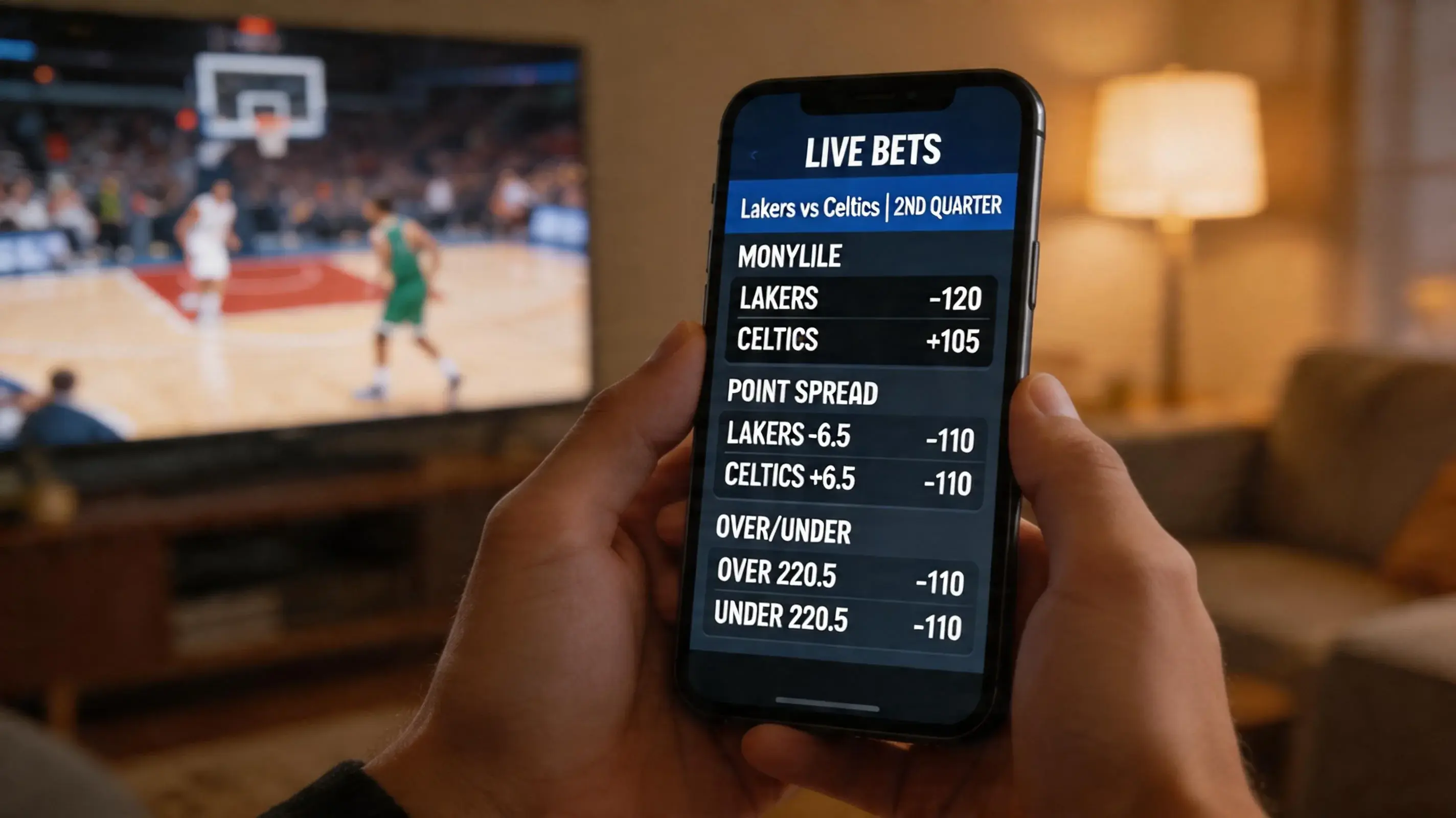
In-game injuries create chaotic betting situations. Lines suspend, information fragments, and speculation dominates before clarity emerges. Navigating these moments requires patience and information discipline.
Video evidence often precedes official information. A player limping to the locker room tells you something even without trainer evaluation. But rushing to bet on visual evidence carries risk — players return from scary-looking moments; innocuous departures sometimes presage serious absence.
Odds engines process injury news faster than human observers can react. By the time broadcast commentators mention a player heading to the locker room, algorithms have already adjusted spreads. Chasing these movements rarely captures value — you’re trading against systems with informational advantages.
Halftime injury updates provide actionable windows. Players questionable to return create binary scenarios that markets must price. If you have strong views on whether a player will return — based on injury type, player history, or game importance — halftime adjustments might under- or over-react.
Post-game injury news affects next-game markets immediately. Learning a star suffered injury during tonight’s game creates opportunities in tomorrow’s markets if you act before prices adjust. Following injury news after games, not just during, maintains awareness advantage.
For frameworks on integrating injury awareness into live betting decisions, live basketball betting strategy contextualises information management within broader in-game approaches.
How quickly do lines move after NBA injury announcements?
Star player injury news moves lines within seconds — major absences can shift spreads 5-7 points almost instantly. Role player injuries produce slower, smaller adjustments. Following team beat reporters on social media provides information minutes before official releases, which matters when markets react rapidly.
Where can I find reliable NBA injury updates for betting?
Team beat reporters on Twitter/X break news fastest, often before official injury reports. Practice reports from local journalists reveal participation details. Official NBA injury reports follow league-mandated schedules but lag real-time information. Combining multiple sources creates the most complete injury monitoring system.
Published by the Live Basketball Betting team.