UK Gambling Commission Regulation for Basketball Betting
 Available in US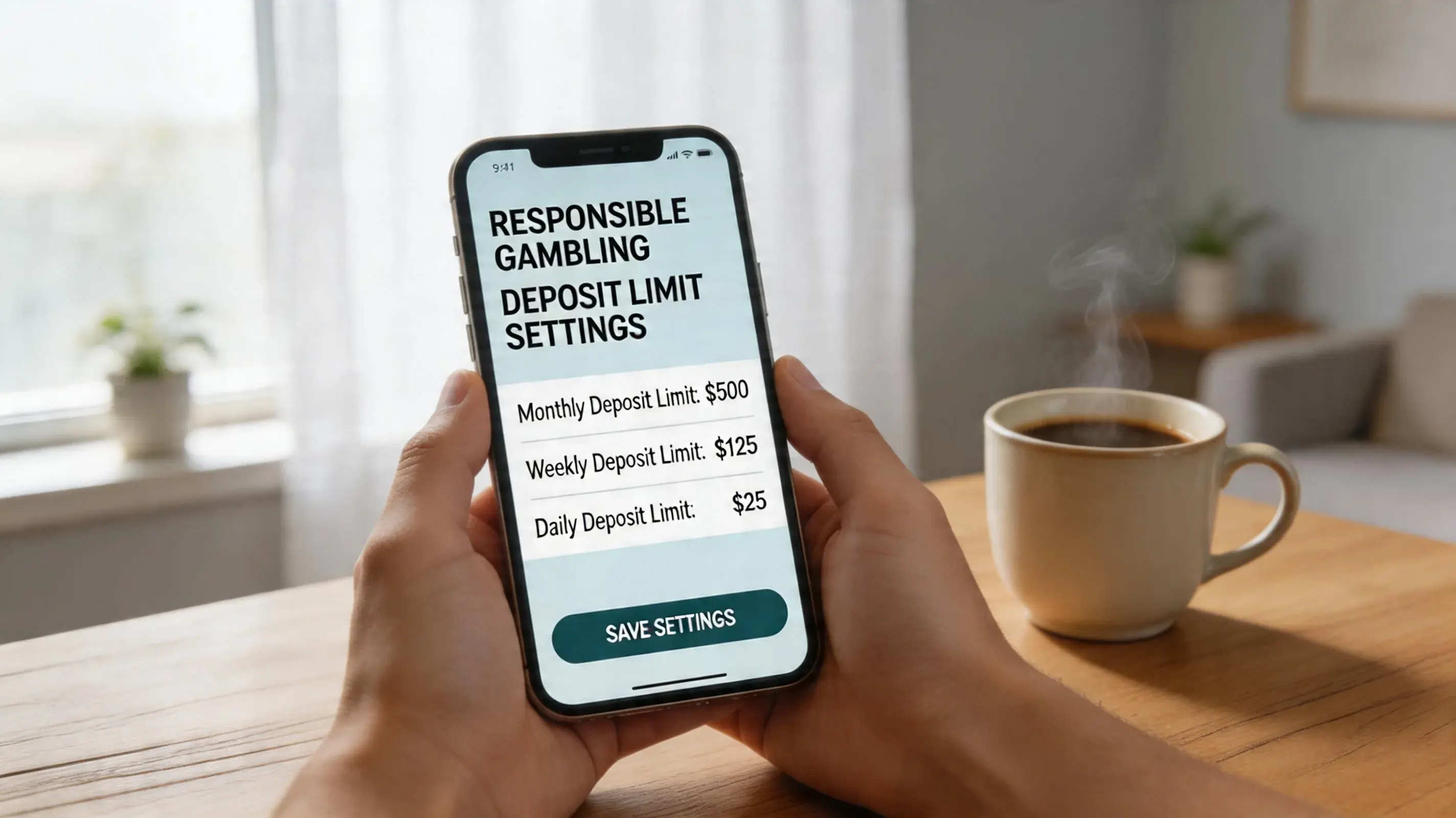
The email arrived at 2am: my account had been suspended pending verification. For three days, I couldn’t access my funds or place bets while the operator confirmed my identity. Frustrating? Absolutely. But that inconvenience exists because the UK Gambling Commission requires licensed operators to know their customers. The regulatory framework that delayed my betting also protects my deposits, ensures fair odds, and provides recourse if something goes wrong.
Andrew Rhodes, CEO of the UK Gambling Commission, has emphasised that their Gambling Survey for Great Britain serves as “a key building block of the evidence base which helps government, industry and other partners understand both gambling behaviour and potential consequences from gambling.” That data-driven approach to regulation shapes every aspect of legal basketball betting in the UK — from which operators can offer markets to how those markets must function.
Table of Contents
UKGC Role
The Gambling Commission exists to regulate commercial gambling in Great Britain, protecting consumers while permitting legitimate operators to function. Their remit covers everything from casino floors to online sportsbooks to National Lottery operations.
Licensing sits at the Commission’s core function. Operators must obtain licences before offering gambling services to UK residents, regardless of where the operator is based. This licensing requirement gives the Commission leverage — operators who violate conditions risk losing access to one of the world’s most valuable gambling markets.
The UK gambling industry generated gross gambling yield of 16.8 billion pounds in the year ending March 2025, representing 7.3% growth year-over-year. Remote betting and gaming — the category covering online basketball betting — contributed 7.8 billion of that total, growing 13.1% annually. These figures demonstrate why operators value UK licences and thus submit to Commission oversight.
Licence conditions create enforceable obligations beyond general law. Standard conditions require responsible gambling measures, fair terms, and transparent operations. Additional conditions can be imposed on operators who have previously violated requirements, creating enhanced scrutiny for past offenders.
Enforcement actions range from warnings to licence revocations. The Commission regularly publishes penalty decisions, creating transparency around what behaviours trigger regulatory response. Reading these decisions reveals the practical boundaries of acceptable operator conduct.
Policy development keeps regulations current with evolving technology and practices. Live betting, micro-betting, and cryptocurrency payments have all required regulatory adaptation. The Commission consults industry participants and consumer advocates before implementing changes, though operators don’t always agree with final decisions.
Licensing Requirements
Obtaining a UKGC licence requires demonstrating financial stability, technical competence, and commitment to responsible gambling. The application process involves detailed scrutiny of ownership structures, software systems, and operational procedures.
Personal licence requirements extend to individuals in key positions. CEOs, compliance officers, and other designated roles must pass background checks and demonstrate relevant expertise. This individual accountability discourages operators from hiring people who might cut corners.
Software testing ensures fair outcomes. Random number generators, odds calculation engines, and settlement systems must meet technical standards verified by accredited testing houses. For basketball bettors, this means confidence that displayed odds reflect actual payout probabilities.
Anti-money laundering obligations require operators to monitor transactions for suspicious patterns. Large deposits, unusual withdrawal patterns, and rapid funds movement trigger enhanced scrutiny. These requirements explain why operators sometimes delay withdrawals or request documentation — they’re fulfilling legal obligations, not arbitrarily creating obstacles.
The UK maintains roughly 5,825 licensed betting premises as of March 2025, though this number has declined 1.8% year-over-year as betting shifts online. The retail decline mirrors the remote sector’s growth, reflecting changing consumer preferences rather than regulatory suppression.
Consumer Protections
Ring-fenced customer funds represent the most fundamental protection. Licensed operators must segregate player deposits from operational funds, ensuring that company financial difficulties don’t jeopardise customer balances. When unlicensed operators collapse, customers lose deposits; licensed operator failures trigger orderly fund returns.
Clear terms and conditions requirements prevent hidden clauses that disadvantage bettors. Bonus conditions, withdrawal limits, and market rules must be prominently displayed and written in plain English. Operators attempting to enforce obscure terms face regulatory scrutiny.
Dispute resolution mechanisms provide recourse when operator and customer disagree. Licensed operators must participate in approved alternative dispute resolution schemes. If you believe a bet was incorrectly settled or a bonus unfairly withheld, formal complaint processes exist beyond customer service escalation.
Advertising standards restrict how operators can market to UK consumers. Gambling advertisements cannot target minors, cannot suggest betting leads to social success, and must include responsible gambling messaging. Basketball betting adverts during NBA broadcasts fall under these restrictions.
Self-exclusion tools are mandatory across all licensed platforms. Deposit limits, loss limits, session limits, and cooling-off periods must be available. GAMSTOP integration allows single registration to block access across all licensed sites. Operators must promote these tools rather than hiding them in settings menus.
Checking Licences
Verifying operator licensing takes seconds but protects against significant risk. The Commission maintains a public register searchable by company name, licence number, or trading name.
The register reveals licence status, conditions, and any regulatory actions. An operator showing “active” status with no conditions operates under standard terms. Additional conditions indicate previous compliance issues that triggered enhanced oversight.
Historical penalty information appears in the register alongside current status. Knowing that an operator received a significant fine two years ago for customer protection failures might influence your decision to trust them with your funds, even if they’re currently licensed without conditions.
Warning signs include operators not appearing in the register at all, licences showing “suspended” or “revoked” status, or trading names that don’t match registered company names. Any of these findings should halt your consideration of that operator immediately.
White-label arrangements can complicate verification. Some brands operate under licences held by parent companies or third-party platform providers. The register search should return results for the entity actually holding the licence, which may differ from the consumer-facing brand name.
Offshore operators targeting UK customers without UKGC licences operate illegally. While enforcement against individual bettors is rare, using unlicensed operators forfeits all consumer protections — ring-fenced funds, dispute resolution, advertising standards, everything. The marginally better odds some offshore books offer don’t compensate for the complete absence of recourse if something goes wrong.
For context on how these regulatory frameworks apply to specific betting formats, live basketball betting fundamentals explores market structures within the licensed UK environment.
How do I check if a basketball betting site is UKGC licensed?
The Gambling Commission maintains a public register at gamblingcommission.gov.uk searchable by company name, licence number, or trading name. Verify the operator shows active status with no concerning conditions. Any operator not appearing in the register or showing suspended/revoked status should be avoided entirely.
What protections does UKGC licensing provide for bettors?
Licensed operators must ring-fence customer funds separately from company operations, participate in dispute resolution schemes, display clear terms and conditions, and provide mandatory responsible gambling tools. These protections ensure deposits remain safe, disagreements have formal resolution paths, and self-exclusion options exist.
Written by the editors at Live Basketball Betting.